
of 27,713 travelers across 33 countries and territories would consider a darker-sky destination
Global stated-interest survey; 72% were interested in starbathing and 59% in star guidesBooking.com global traveler researchWhy astronomy
There is substantial demand for professionally delivered nighttime experiences,
while much of tourism still has little bookable after dark.
Astronomy can turn quiet evening hours into a distinctive visitor experience using the landscape, sky and hospitality infrastructure a destination already has.
Research
Traveler research · destination studies · operating examples · reviewed August 2026
Evidence from real tourism markets
Demand, travel behavior and economic value all point in the same direction.
The strongest case for astrotourism does not depend on a speculative global market-size forecast. It combines broad traveler research with measured behavior from operating destinations, national tourism surveys and destination-level economic studies.
average daily spend by foreign Northern Lights tourists in Norway in the 2025 tourism survey
1,043 aurora tourists were compared with 3,872 winter tourists; paid foreign guest nights in Northern Norway's aurora season were more than double 2019 levelsInnovation Norway Tourism Survey / Northern Norwayof Tourism WA's identified interstate and intrastate market showed moderate-to-high interest in traveling to stargaze
Australian target-market research, not all Australian travelers; 71% of the identified key market also considered dark-sky tourism worth paying forTourism Western Australiaof surveyed evening visitors across nine Utah parks participated in night-sky recreation
More than 700 surveys; night-sky recreationists also tended to take longer overnight tripsU.S. National Park Service / Utah State Universityin estimated annual economic benefits linked to activities around the Mont-Mégantic Dark Sky Reserve
Destination-level economic assessment; the reserve also reports 116 jobs per yearMont-Mégantic International Dark Sky ReserveWhere the opportunity comes from
More to do after dark. More ways to use the place you already have.
Traveler research, destination studies and operating examples show several recurring ways astronomy can add value without requiring a major attraction build from day one.
Turn quiet nighttime hours into something guests can actually book
Astronomy can sit after dinner, after conference sessions or after daytime recreation. It gives the destination a structured experience in hours that are often underprogrammed rather than requiring another daytime attraction.
Tourism WA's 2023–24 visitor research found 95% of surveyed visitors were interested in at least one dark-sky tourism experience if easily accessible, while only 24% had participated during their trip.Give travelers another reason to choose, stay and remember the place
Dark skies are not just scenery. When they are turned into a guided or bookable experience, they can become part of the reason a visitor chooses the destination and part of what makes the stay distinctive.
Booking.com's survey of 27,713 travelers found 62% would consider visiting a darker-sky destination. Tourism WA's identified high-potential segment also showed strong willingness to travel and pay for dark-sky experiences.Create value in slower seasons and longer stays
Night-sky products can support shoulder-season events, winter travel and longer destination stays because they operate on a different clock from many daytime activities.
Utah park research found night-sky recreationists tended to take longer overnight trips. North York Moors uses its Dark Skies Festival in the tourism off-season, with 95% of 2025 events sold out and more than £105,000 in estimated visitor spending.Test the idea before committing to major infrastructure
A destination can learn a great deal with a defined site, trained people, mobile equipment and a clear weather policy. Permanent facilities can follow evidence from real guests.
Tourism-development guidance from Western Australia and national astrotourism strategy work in South Africa both treat astronomy as a product-development problem involving visitors, training, partnerships, service quality and measurement, not simply telescope installation.A practical way to begin
Start small, learn from guests, then scale.
A pilot can test format, timing, price, guest response and operating fit before the destination commits to a larger program or permanent infrastructure.
See how a program is developed- 01Pilot
Test a small number of nights, formats and audiences with clear measures and modest capital.
- 02Repeat
Keep the strongest format, document the operating model and see whether demand survives beyond novelty.
- 03Scale
Add frequency, private groups, partnerships or permanent infrastructure where local results justify it.
What the data can and cannot tell you
Strong demand signals still need a local test.
The research is useful for understanding the category. Local pricing, conversion, weather, capacity and operating costs still depend on the destination itself.
Interest is not the same as purchase
Traveler surveys show that the category deserves attention. They do not tell you your local conversion rate, price tolerance or repeat demand. Those belong in the pilot.
Destination impact is not property-level ROI
Regional spending studies and dark-sky economic assessments show mechanisms and scale. A resort, camp or municipality still needs its own costs, capacity, capture rate and operating model.
One market does not represent every traveler
Tourism WA's strongest percentages come from identified high-potential segments and regional visitor samples. They are useful product-development evidence, not universal population statistics.
Weather, season and local supply still matter
Cloud, moonlight, smoke, cold, nearby competitors and existing nighttime inventory can materially change the opportunity.
Research library
Six research guides behind the headline numbers.
Explore traveler intent, observed participation, visitor value, destination economics and stewardship with the original research and destination context attached.
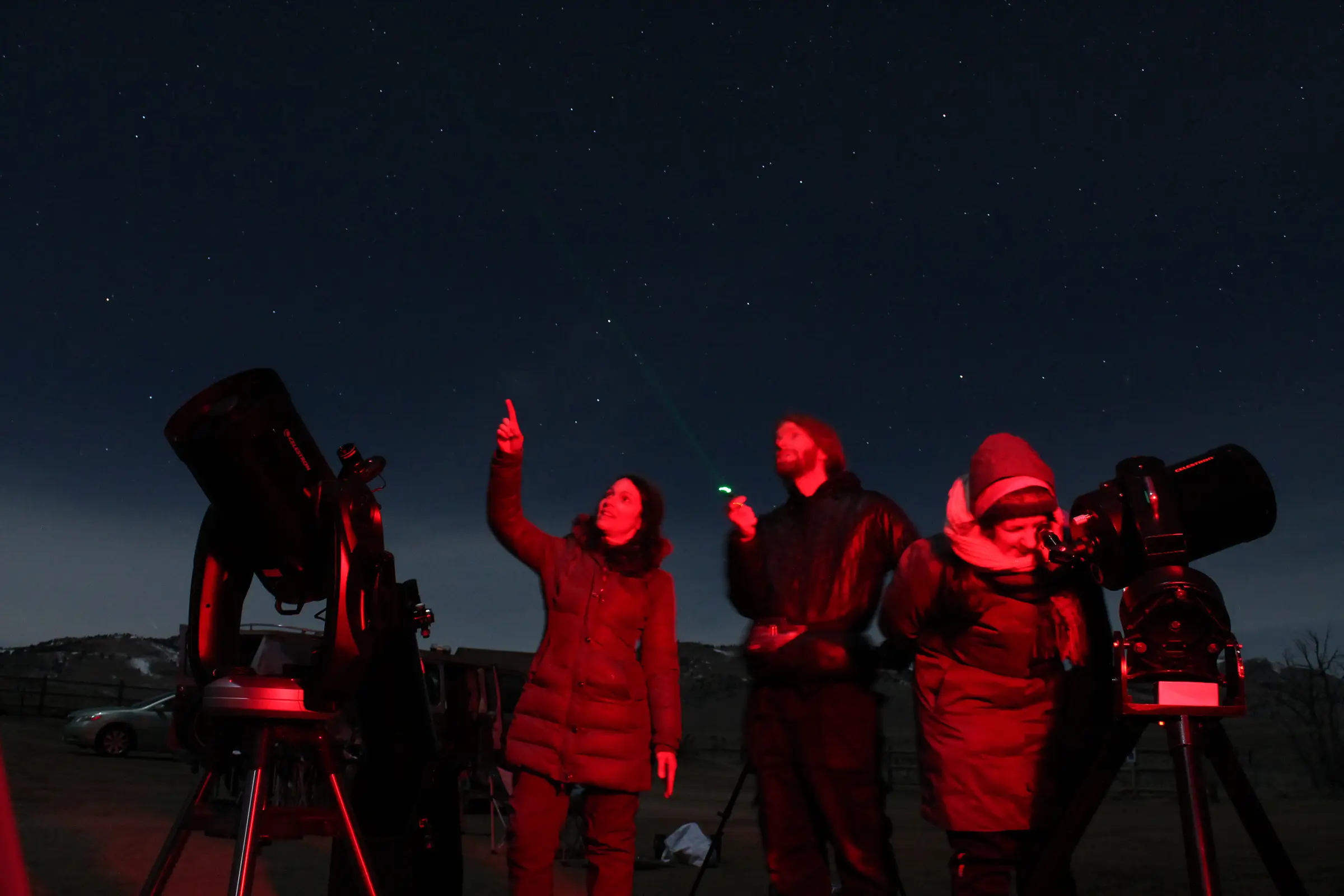 01
01Traveler demand
62% would consider a darker-sky destination. What does that actually tell us?
A 27,713-person traveler survey reveals broad interest in darker skies, guided interpretation and lower-light stays, while also showing why stated intent is only the start of a destination business case.
Read research guide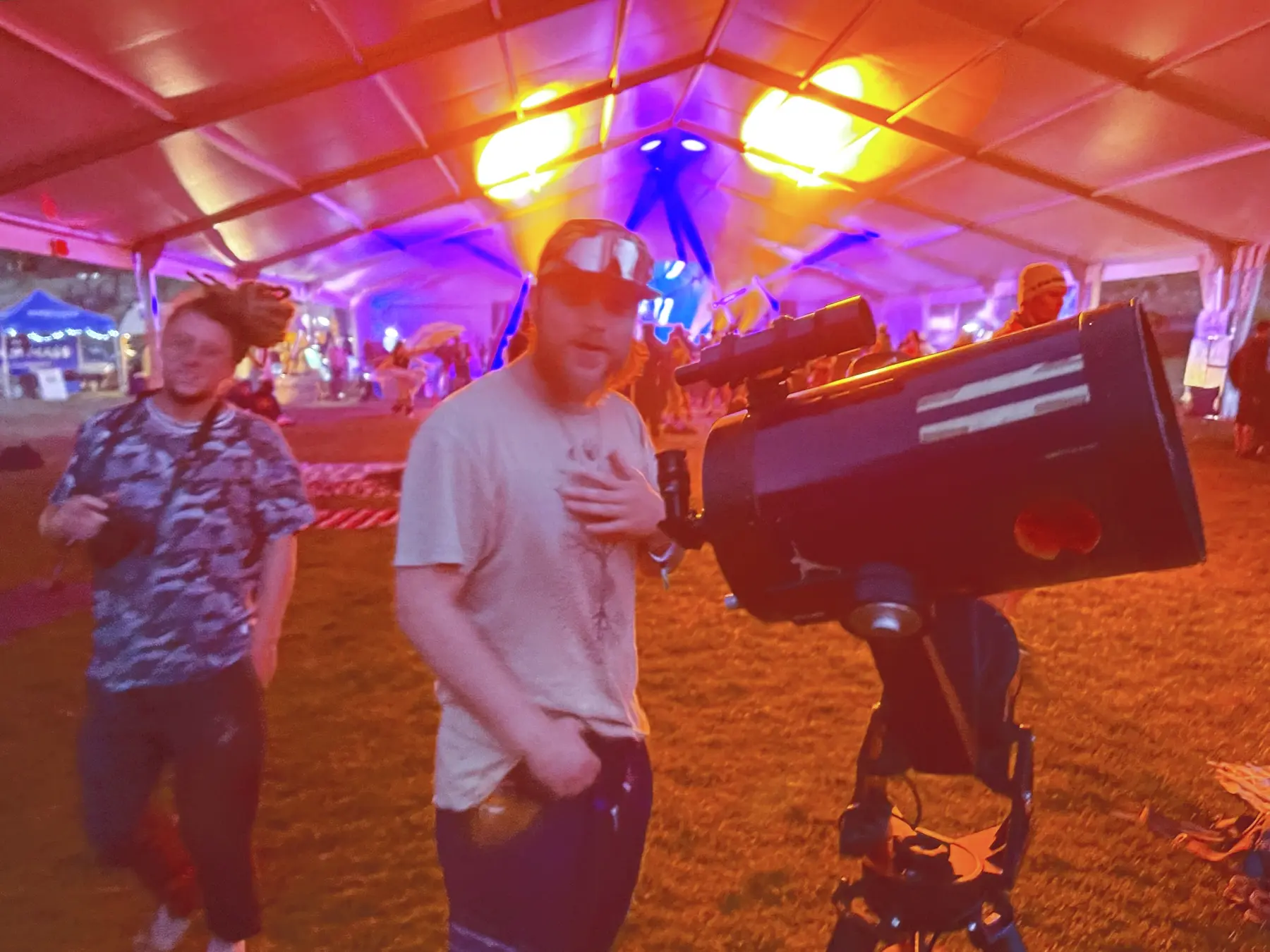 02
02Experiences economy
Astronomy belongs inside the $271 billion experiences economy
The global tours, activities and attractions market is growing faster than travel overall. Astronomy can participate, but only when a destination turns the night sky into a clearly packaged, bookable product.
Read research guide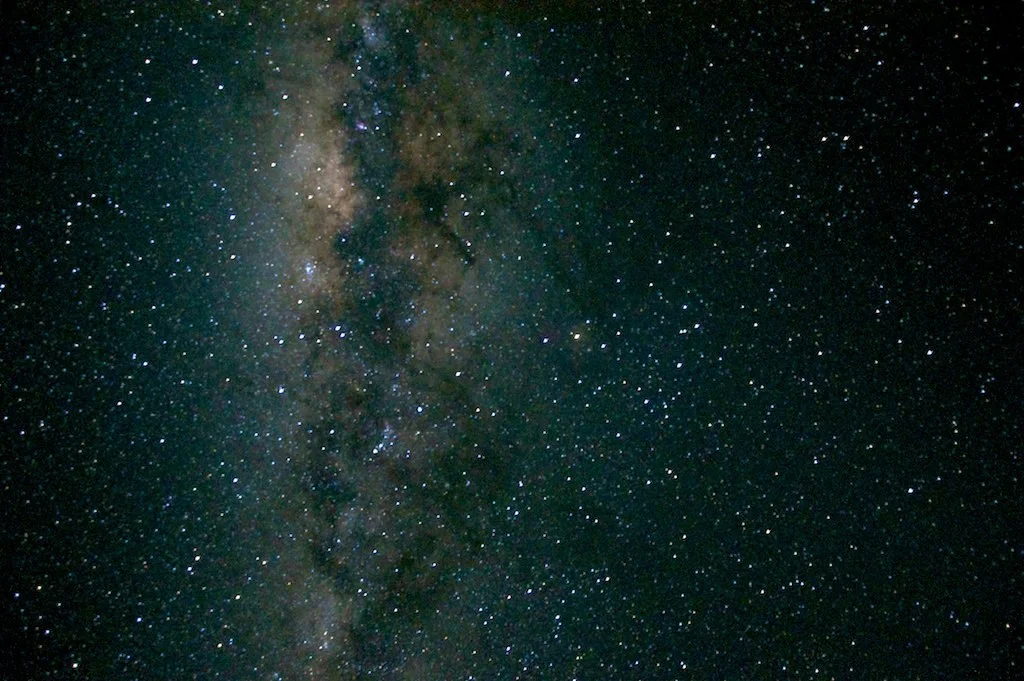 03
03Regional economic impact
The $5.8 billion dark-sky model: what it means for destinations
A peer-reviewed Colorado Plateau study connects valued night skies with overnight visitor spending, wages and jobs. Its method explains the opportunity, and its boundaries prevent the result from becoming a property-level promise.
Read research guide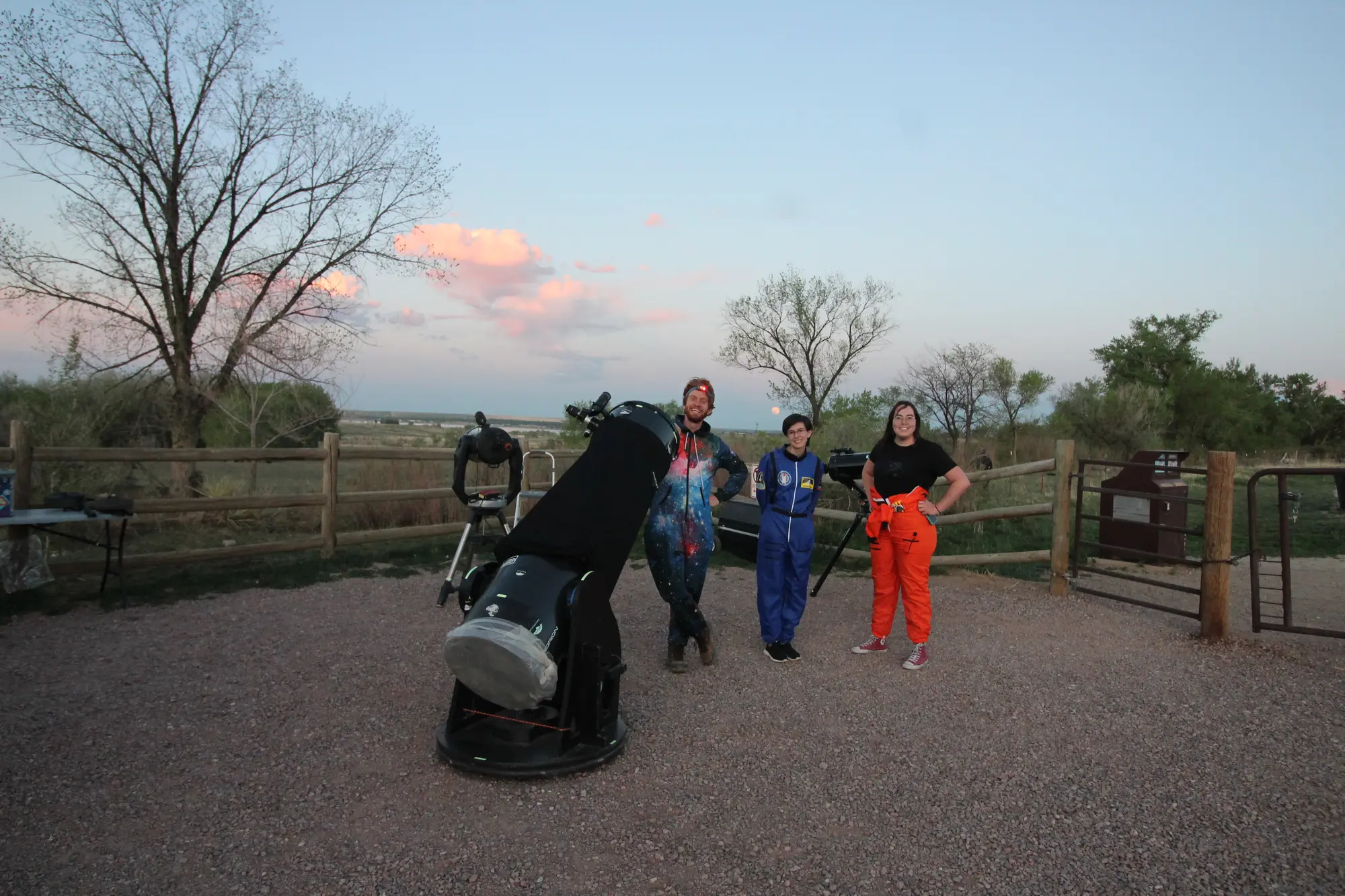 04
04Emerging visitor research
Would visitors pay for darker skies? A new study offers an early answer
A 2026 working paper estimates how visitors value better night-sky quality. The numbers strengthen the case for protecting darkness, but they are not a ready-made ticket price for an astronomy tour.
Read research guide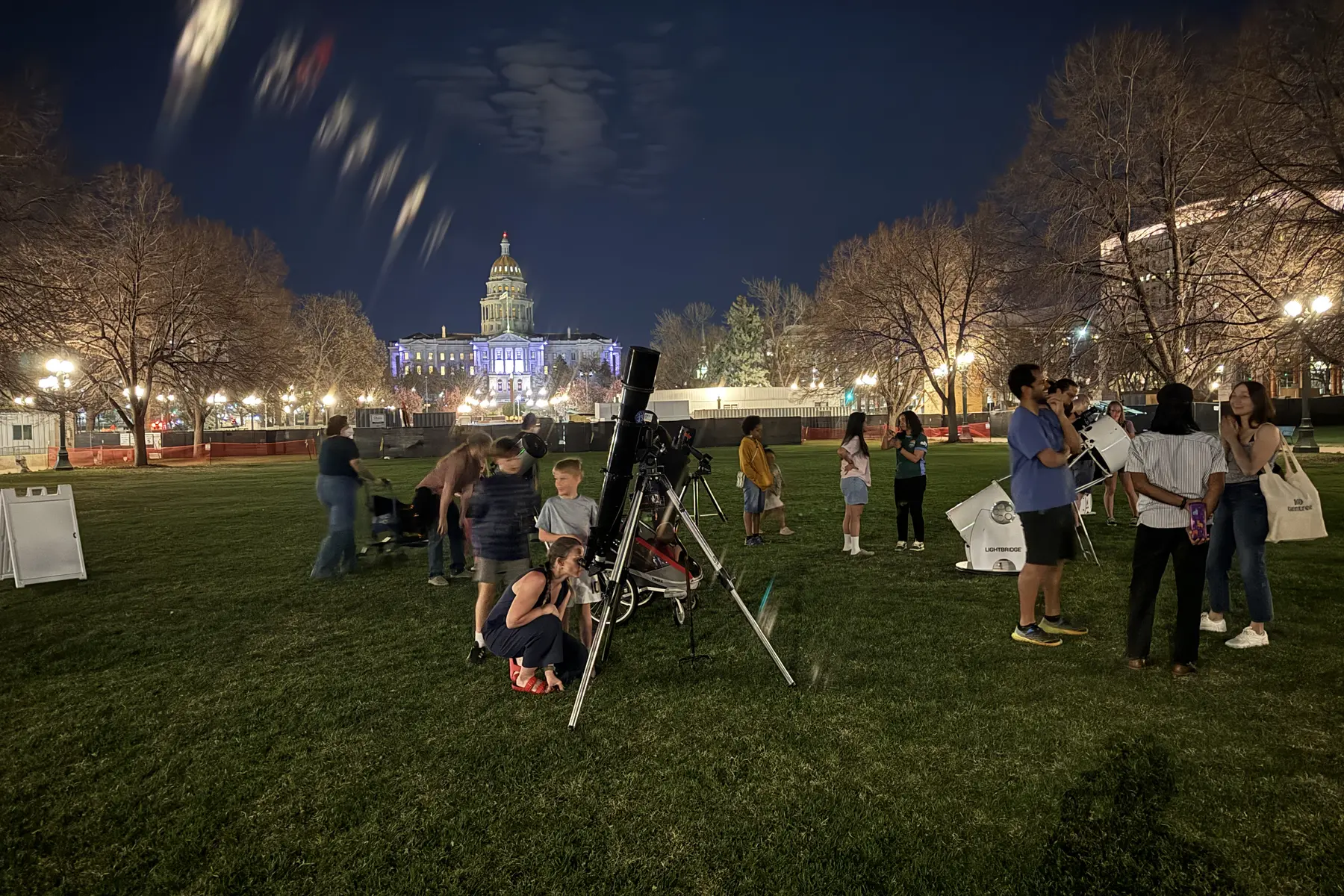 05
05Stewardship and product design
From protected night sky to bookable destination experience
More than 270 certified Dark Sky Places show the scale of global stewardship. Resort standards and responsible-tourism principles reveal the work required to turn that protected asset into a credible guest program.
Read research guide06Observed travel behavior
People do not just say they like the stars. They actually travel for them.
The strongest case for astrotourism goes beyond surveys. Evidence from Norway, U.S. parks, Canada, the Canary Islands and eclipse destinations shows travelers spending, staying overnight and moving across regions for night-sky experiences.
Read research guideEvidence from operating destinations
The pattern repeats across different kinds of astrotourism.
Aurora tourism, stargazing, dark-sky festivals, parks, rural homestays and astronomy attractions measure different things. Together they show recurring mechanisms: astronomy can motivate travel, extend stays, activate slower seasons, generate local spending and support new visitor products.
Open 16 destination and regional examples
01
Norway · national tourism survey
↗02Northern Lights tourists are a high-spend, activity-rich winter segment
Innovation Norway's 2025 research compared 1,043 aurora tourists with 3,872 winter tourists. Aurora tourists averaged NOK 2,780 in daily spending, 66% joined organized or guided outdoor activities, and paid foreign guest nights in Northern Norway's aurora season were more than double 2019 levels.
Canary Islands · established destination economy
↗03About 600,000 visitors a year participate in an astronomy-related activity
University of La Laguna researchers citing ISTAC tourism data report astronomy participation among about 4.3% of Canary Islands visitors, rising to about 17% on La Palma. The islands support around 60 astrotourism businesses.
North York Moors · shoulder-season festival
↗0495% of 2025 Dark Skies Festival events sold out
The National Park reports 100 events involving 27 local businesses, estimated visitor spending above £105,000, more than one million social-media impressions and 80% of attendees eager to return. The festival is deliberately positioned in the tourism off-season.
India · community-operated Astrostays
↗05More than 600 tourists generated US$5,200 in a four-month rural astrotourism pilot
The IAU Office of Astronomy for Development case study describes villagers trained in astronomy, telescope operation, hospitality and bookkeeping, then supported to combine community homestays with locally delivered stargazing.
Global · IAU development projects
↗06Small astrotourism investments have produced commercial adoption across 14 countries
The IAU Office of Astronomy for Development reports about €111,000 invested across projects in 14 countries. Reported outcomes include four tour companies and three five-star resorts introducing astrotourism packages in Malaysia, collaborations with five resorts in India and 680 travelers engaging with astronomy and local culture in India.
Ladakh · Hanle Dark Sky Reserve
↗07Hanle recorded about 28,000 visitors in 2024 as its astrotourism program expanded
The Ladakh administration links the growth with the Dark Sky Reserve and reports telescope provision, local astro-guide training and work toward integrated astronomy and hospitality education. Earlier, 24 small telescopes were distributed to selected villagers trained as Astronomy Ambassadors.
South Africa · national tourism strategy
↗08South Africa made astrotourism a national destination-development strategy
Cabinet approved the National Astro-Tourism Strategy in 2025. A flagship SAAO Visitor Centre subsequently created 24 construction jobs and 10 permanent operating positions and is projected by the tourism ministry to attract more than 18,000 visitors annually.
New Zealand · national tourism statistics
↗09New Zealand now measures stargazing as a dedicated international visitor activity
From Q4 2024, the Ministry of Business, Innovation and Employment added stargazing as a specific activity variable in its International Visitor Survey microdata, creating a pathway to measure the spending and trip behavior of stargazing visitors directly.
Maine · state tourism measurement
↗10Visitor spending rose 23.4% during the 2024 eclipse period
The Maine Office of Tourism found statewide hotel occupancy rose 47% and short-term-rental occupancy 27% compared with 2023. This is exceptional-event evidence, not a normal-night forecast, but it shows astronomical events can move travel and spending into slower periods.
Utah · nine state and national parks
↗1161.8% of surveyed evening visitors participated in night-sky recreation
National Park Service and Utah State University research also found night-sky recreationists tended to take longer overnight trips, providing a behavioral link between nighttime recreation and destination stays.
Alberta · Jasper Dark Sky Festival
↗12Festival visitors traveled an average of 430 km and most stayed two or more days
A peer-reviewed visitor study found most respondents were first-time visitors, attended more than five festival events and reported high satisfaction, illustrating how a dark-sky event can operate as a multi-day destination experience.
Québec · Mont-Mégantic International Dark Sky Reserve
↗13An operating dark-sky destination estimates C$13.8 million in annual economic benefits
The reserve's economic assessment also reports 116 jobs per year associated with dark-sky-related activities. It is a destination case study, not a universal property-level return forecast.
Western Australia · tourism product research
↗1471% of Tourism WA's identified key market considered dark-sky tourism worth paying for
Tourism WA commissioned consumer research specifically to understand the opportunity and then produced product-development guidance around astronomy, accommodation, dining, wildlife and other nighttime experiences.
Colorado · Great Sand Dunes National Park
↗15Peer-reviewed research found measurable visitor value in keeping the sky dark
A 2026 American Journal of Agricultural Economics study estimated visitor recreational value would fall about 23–24% if skies matched average suburban brightness and 42–44% if they matched average urban brightness. These are consumer-surplus estimates, not tourism-revenue losses.
Colorado · statewide destination development
↗16The Colorado Stargazing Trail packages protected skies into a statewide visitor product
The Colorado Tourism Office launched the trail around 13 International Dark Sky Parks and eight Dark Sky Communities plus tours, events, lodging and other visitor-ready experiences, showing how local assets can be organized into a broader destination proposition.
Global · peer-reviewed operating models
↗Researchers evaluated 62 astrotourism initiatives around the world
A 2024 Journal of Outdoor Recreation and Tourism study identified recurring requirements for viable programs, including suitable locations, light-pollution mitigation, climate and seasonality planning, community engagement, trained presenters, planned programming and management policy.
Research library
Trace the argument back to the evidence.
The library prioritizes official tourism agencies, government sources, research institutions and peer-reviewed studies. Broad demand evidence comes first; destination cases then show how astrotourism behaves in real markets. Sources were reviewed in August 2026.
Open the full source library (18 sources)
01
Booking.com
↗02Booking.com 2025 Travel Predictions
Global survey of 27,713 travelers across 33 countries and territories. Supports the 62% darker-sky-destination, 72% starbathing and 59% star-guide stated-interest findings.
Innovation Norway / Northern Norway tourism
↗03Tourist Survey 2025: Northern Lights tourism
National tourism research comparing 1,043 Northern Lights tourists with 3,872 winter tourists, including spending, activities, packaging, satisfaction and market behavior.
Tourism Western Australia
↗04Tourism research reports: Developing a Dark Sky Experience
Government-funded consumer research and product-development guidance designed to understand demand, target segments and how astronomy can be combined with accommodation, dining, wildlife and other tourism products.
U.S. National Park Service / Utah State University
↗05Advancing Scientific Research: Night Sky Recreation
More than 700 surveys across four Utah state parks and five National Park Service units, measuring night-sky recreation participation and trip behavior.
Mont-Mégantic International Dark Sky Reserve
↗06Economic impact of activities related to the Mont-Mégantic International Dark Sky Reserve
Destination-level economic assessment reporting C$13.8 million in annual benefits and 116 jobs per year associated with reserve-related activities.
University of La Laguna, citing ISTAC
↗07Astronomy-related tourism activities attract 600,000 visitors
Reports 4.3% astronomy-activity participation across Canary Islands visitors, approximately 600,000 people annually, rising to about 17% on La Palma, with around 60 specialist businesses across the islands.
North York Moors National Park Authority
↗08North York Moors Dark Skies Festival outcomes
2025 festival reporting: 100 events, 27 participating businesses, 95% sell-through, more than £105,000 estimated spending and 80% attendee return interest.
International Astronomical Union Office of Astronomy for Development
↗09Impact of Astrotourism Projects
Tracks approximately €111,000 invested across projects in 14 countries and concrete outcomes including new tour products, resort partnerships, guide training, curricula and local-revenue projects.
International Astronomical Union Office of Astronomy for Development
↗10Astrostays: a community-centred astrotourism model
Ladakh pilot in which trained villagers combined homestays with astronomy; the project reports more than 600 tourists and US$5,200 in revenue during the first four months.
Administration of the Union Territory of Ladakh
↗11Hanle Dark Sky Reserve review
Government update reporting about 28,000 Hanle visitors in 2024 alongside local telescope provision, astro-guide training and plans for integrated astronomy and hospitality education.
South Africa Department of Tourism
↗12South Africa National Astro-Tourism Strategy and SAAO Visitor Centre
National policy and implementation evidence. The SAAO Visitor Centre created 24 construction jobs and 10 permanent positions; more than 18,000 annual visitors is a government projection, not measured attendance.
New Zealand Ministry of Business, Innovation and Employment
↗13International Visitor Survey microdata
Official international tourism survey microdata. Stargazing was added as a dedicated activity variable from Q4 2024, enabling future direct analysis of stargazing visitors' travel and expenditure behavior.
Maine Office of Tourism / Maine DECD
↗14New Data Confirms Eclipse Boosted Statewide Tourism Spending, Visitation
State tourism analysis measuring a 23.4% spending increase and substantial lodging-occupancy gains during the 2024 eclipse period. Useful as exceptional-event evidence rather than a normal stargazing forecast.
Journal of Ecotourism, 2024
↗15Visitor outcomes from dark sky tourism: Jasper Dark Sky Festival
Peer-reviewed Alberta study covering travel distance, length of stay, event participation, satisfaction and visitor outcomes.
American Journal of Agricultural Economics, 2026
↗16Contingent behavior modeling for dark skies valuation at Great Sand Dunes National Park
Peer-reviewed Colorado study estimating changes in visitor consumer surplus as night skies deteriorate toward suburban and urban brightness levels.
Colorado Tourism Office, 2026
↗17The Colorado Tourism Office Launches the Colorado Stargazing Trail
Official statewide destination-development example connecting 13 International Dark Sky Parks, eight Dark Sky Communities and a wider mix of tours, events, lodging and nighttime experiences.
Journal of Outdoor Recreation and Tourism, 2024
↗18Global astrotourism initiatives and their applicability
Peer-reviewed analysis of 62 astrotourism initiatives and 42 stakeholder interviews identifying recurring requirements for viable astrotourism development.
DarkSky International
↗Principles of responsible astrotourism
Global principles for developing tourism that protects the nighttime environment while creating meaningful local benefits.
Your destination
Considering a stargazing pilot?
We can help shape a first version around the destination, audience and operating realities, then build from what the local results show.